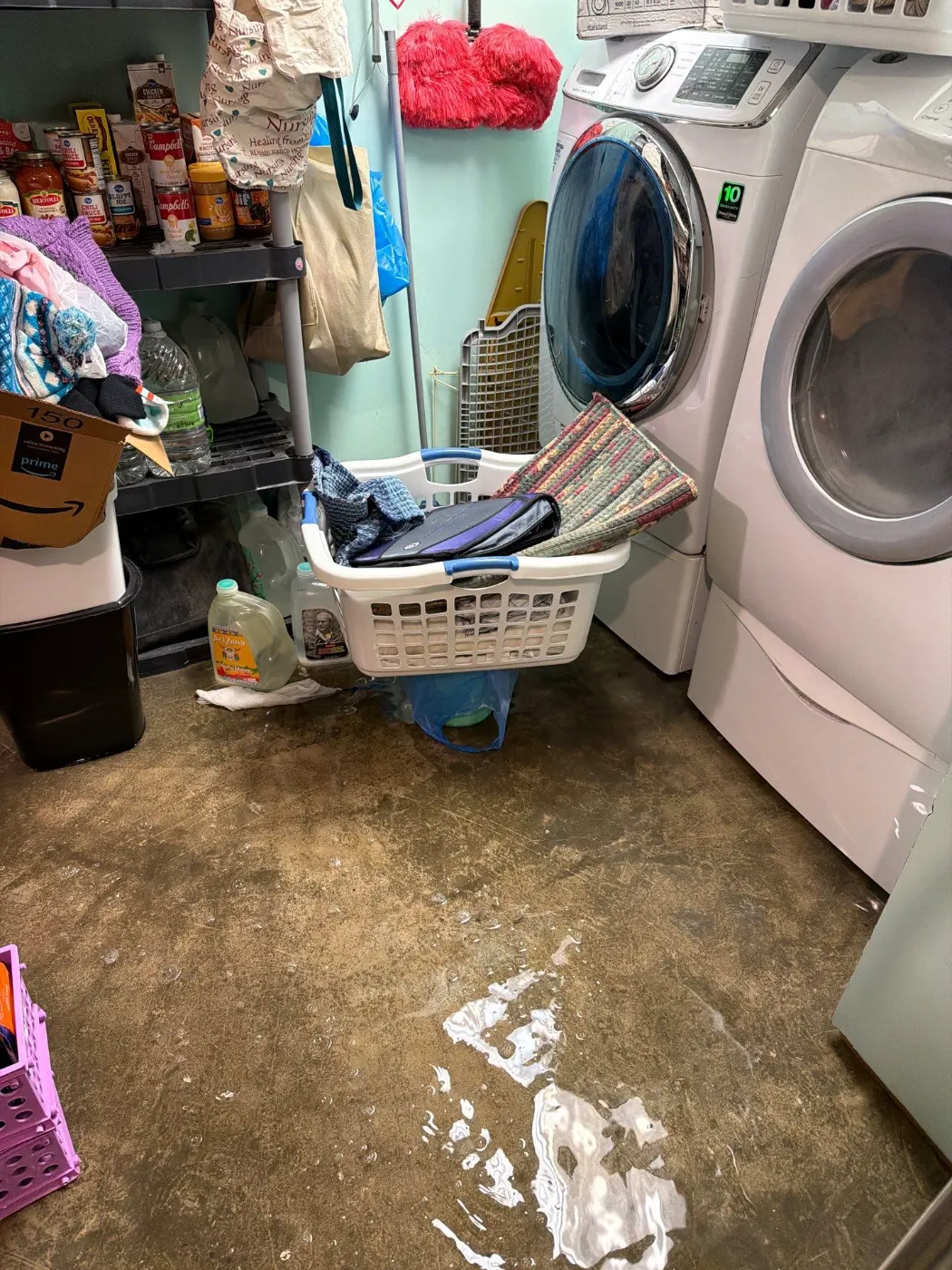
Storm Damage in Eaton, IN
Water inside your Eaton home, mapped with meters and dried to numbers you can read for yourself.
Searching for Storm Damage near Eaton? Eaton Water Restoration dispatches 24/7, documents everything, and works with your insurance carrier from first call to final walkthrough. Call (812) 515-1567.
- Service: Storm Damage for Eaton homeowners
- Service area: Eaton, IN and surrounding areas
- Response time: Fast local response for Eaton; live dispatch every hour of the year
- Licensed and insured (License #RC21100059)
- Serving Eaton, IN since 2018
Storm Damage Cleanup in Eaton
We handle storm damage cleanup across Eaton, from tarping the opening to drying the house underneath it, and we're out day or night.
Storms Here
The Mississinewa River has a history of flooding. Severe thunderstorms come through in spring and summer, and ice storms hit some winters. If your insurance company asks for a storm date, NWS Indianapolis keeps a list of past events.
Where Storm Water Ends Up
Homes near the Mississinewa River can see rising water after heavy rain. With full basements common here, a big storm can bring water in from below as well as through the roof. That makes it a basement flooding job too.
After a storm we can be anywhere in Eaton, from Eaton Residential Core to the roads around Danny Howard Memorial Park and Norsemen Park. Nearby, we also dry out storm damage in Hartford City, Muncie, Royerton and Daleville.
Expert Storm Damage for Eaton Homeowners
Storm water that comes in overhead hides most of itself. What you can see is a wet patch of drywall. What you can't see is the insulation above it holding water against the ceiling board while the framing wicks it sideways and the top of the wall below starts to wet out. Eaton Water Restoration dispatches to storm damage calls across Eaton and Delaware County within 2 hours with thermal imaging and probes that read what's inside the assembly.
The line surface water leaves on a wall records how deep it stood. Eaton Water Restoration measures the height of that line on each wall in your Eaton home and photographs it with the tape in the frame. The heights go on a sketch of the floor plan, which shows what the water reached and where.
Coordination is part of the work on storm losses. Eaton Water Restoration keeps the temporary cover in place and inspected while the roofing repair gets scheduled, and the drying plan accounts for whatever weather falls in between. If a rain event gets past the tarp, the crew documents it, rereads the affected materials, and adjusts the equipment, so the log records what happened to the house while it was happening.
Start a list of damaged belongings while the rooms are still wet. Photograph each item where it sits, then write down what the item is and roughly when you bought it. Eaton Water Restoration photographs contents that shift during the job in your Eaton home, and the photo set you keep gives you a second record to build the list from.
Damp trim and a soft spot in the carpet by a window usually mean water's inside the wall as well. Call Eaton Water Restoration at (812) 515-1567 and a technician in Eaton will read the wall base, tell you how far the moisture went and explain what can dry in place.
Signs You Need Storm Damage Restoration
If you notice any of these in your Eaton home, schedule a free inspection before the issue worsens.
Water dripping from a ceiling light fixture or running down the canopy of a ceiling fan
Shingle granules piled in the gutters or washed out at the bottom of a downspout
Dark water line on basement drywall several inches above the floor
A pin moisture meter reading far above the same wall in a dry room
Silt left on the garage floor or mudroom tile after runoff pushed in
Puddles along an exterior wall or standing water in a basement window well after heavy rain
Stored boxes in a basement corner with damp bottom edges or water lines
Window sill corners holding water or finish peeling after a windy storm
Flooring cupping, lifting, or separating at the seams along an exterior wall
Standing water around the sump pit after the power came back on
How Eaton Water Restoration Handles Storm Damage
We follow these steps in order on every Eaton job.
Contents Protection
Furniture legs get blocked off wet flooring and small items move out of the water's reach, with photos taken of anything that shifts. Rugs and boxes in a flooded basement come up off the floor before extraction starts.
Water Extraction
Standing water gets pumped and extracted before there's any drying equipment in the room. Hard floors are squeegeed and extracted, saturated carpet pad is pulled, and carpet gets detached to reach the subfloor. Water that came in at grade also gets an antimicrobial treatment once the soaked material is out.
Wall Cavity Inspection
Baseboards and window trim come off where readings run high, and small inspection holes show whether the cavity behind them holds water. Windows and doors that took wind driven rain usually leave the wall base wet first.
Photo Report
Entry point photos, the water path, the daily readings and the itemized scope go into a photo report you keep. The crew walks you through it, and you sign off on the scope in writing before there's any demolition.
Final Walkthrough
Once the clearance readings are documented, the equipment comes out and the technician walks the rooms with you. The removed materials and the photo file get reviewed together so you know what repairs come next.
Storm Damage in Eaton
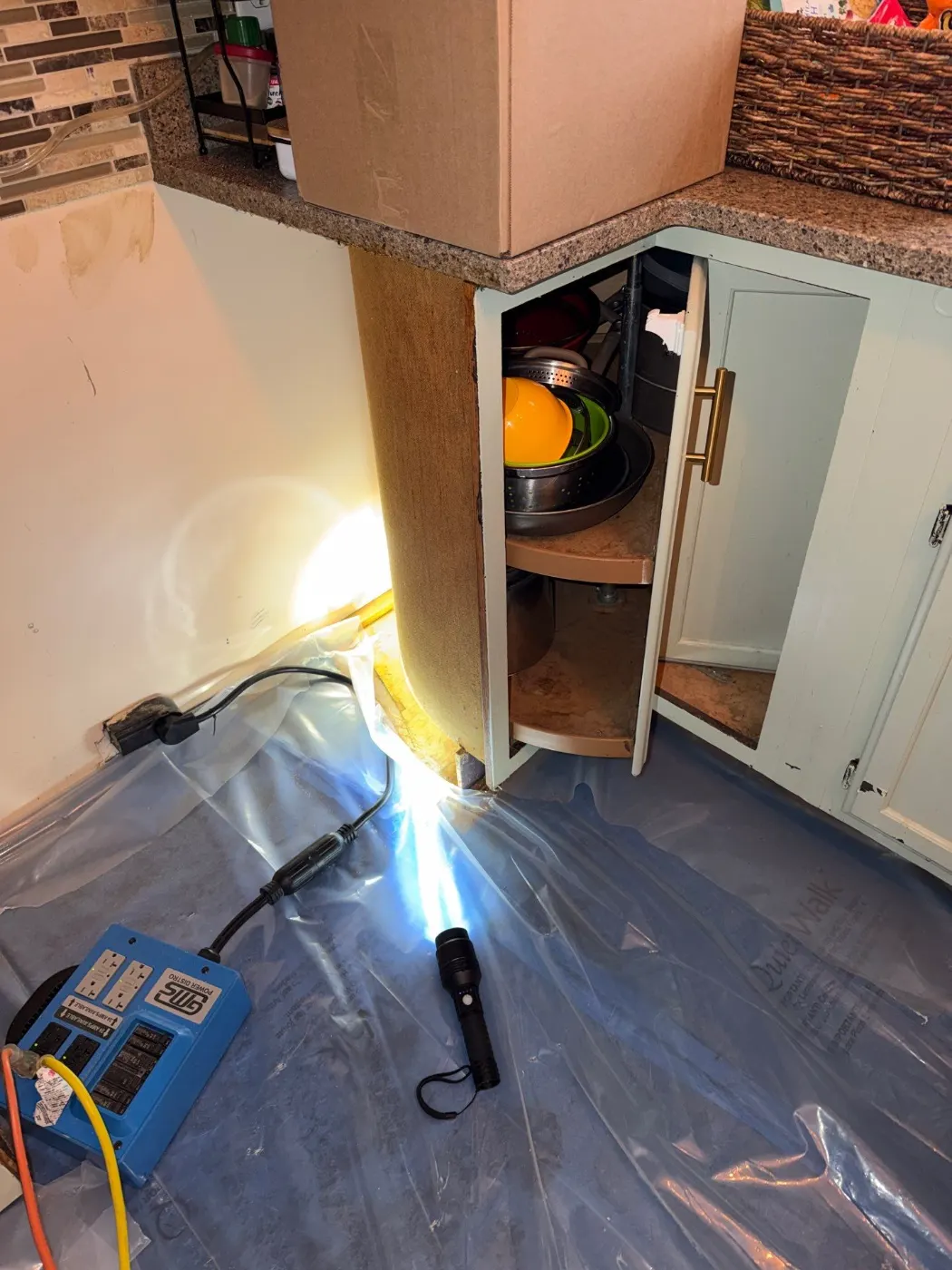
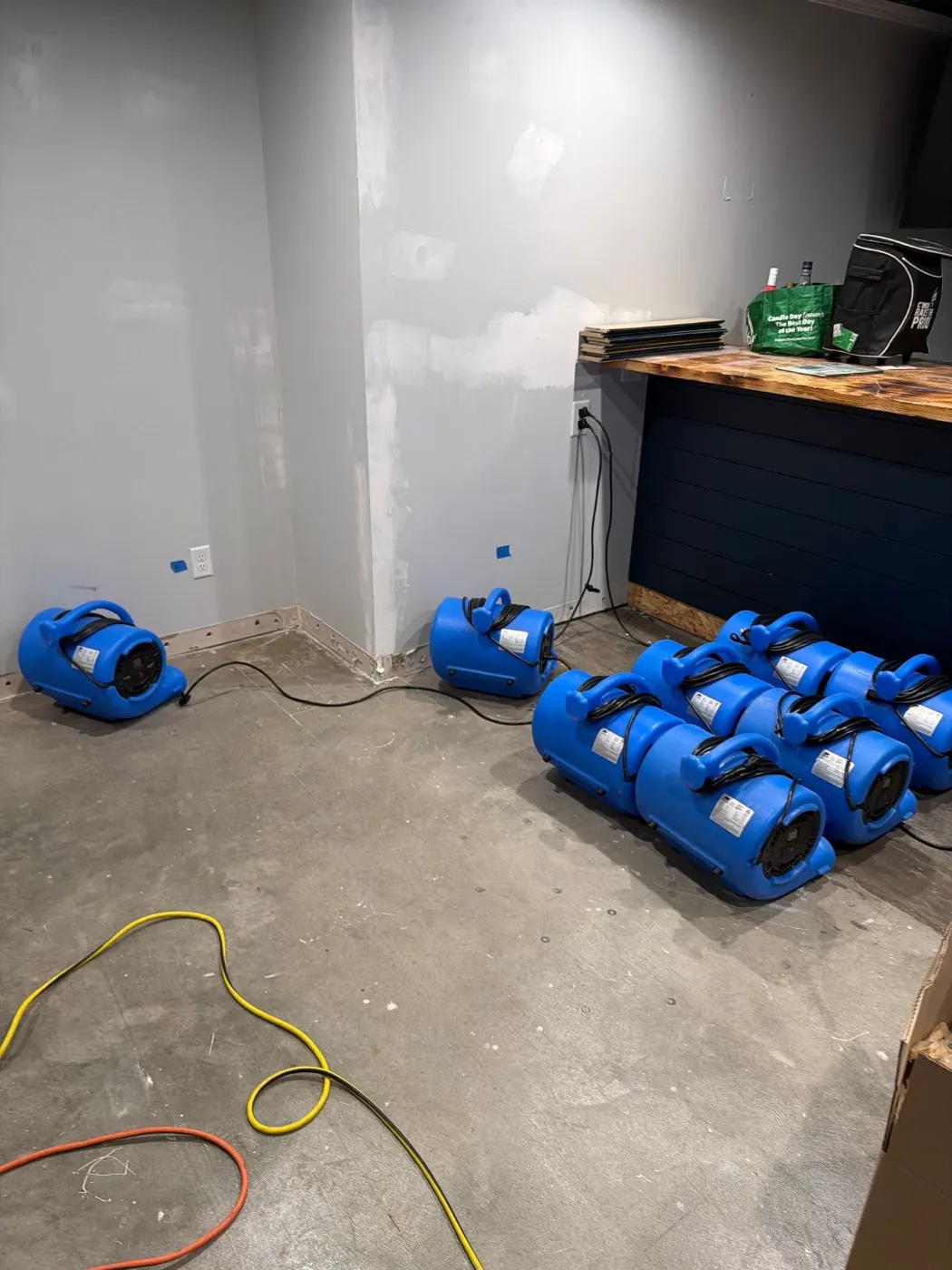
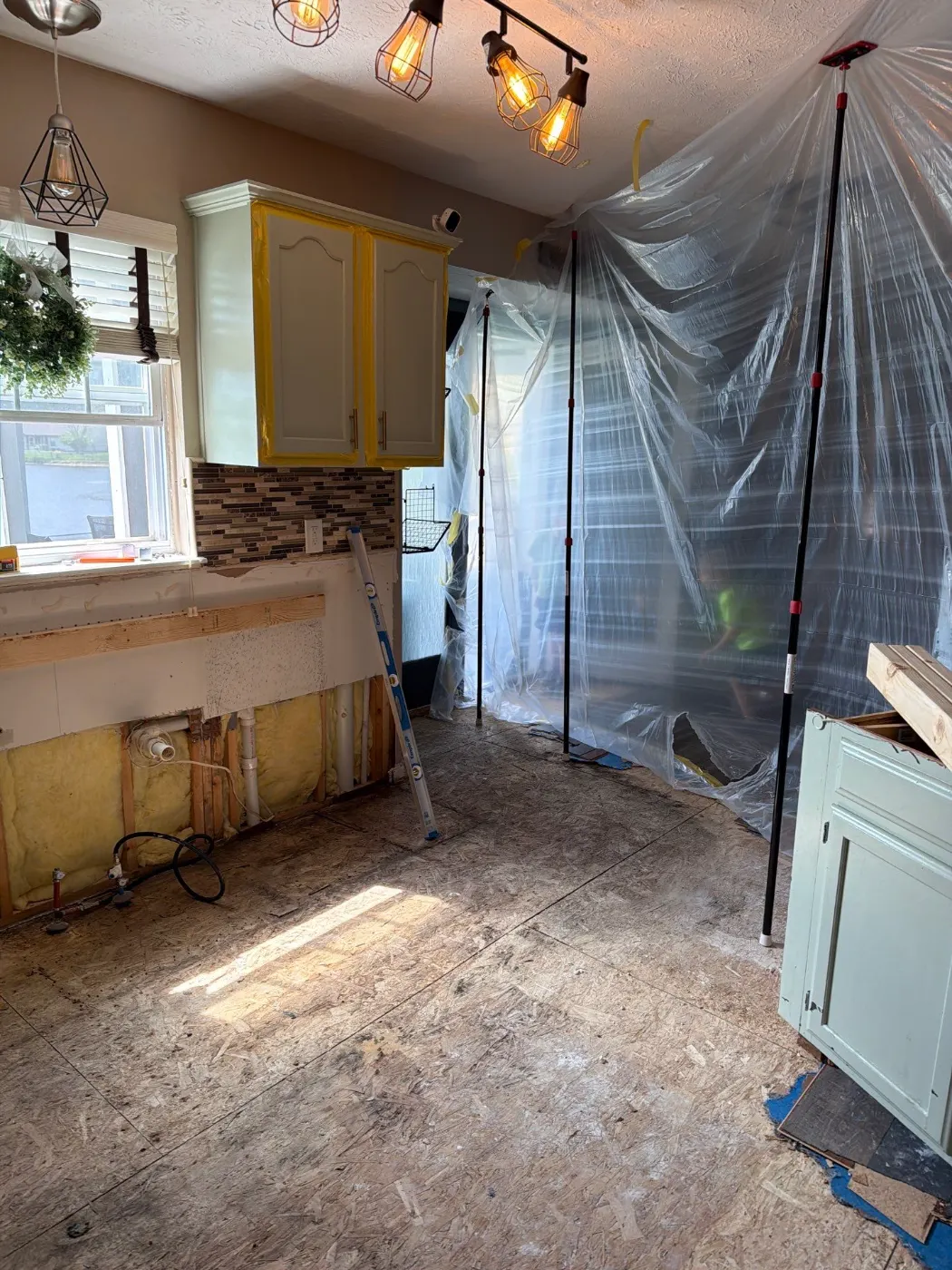
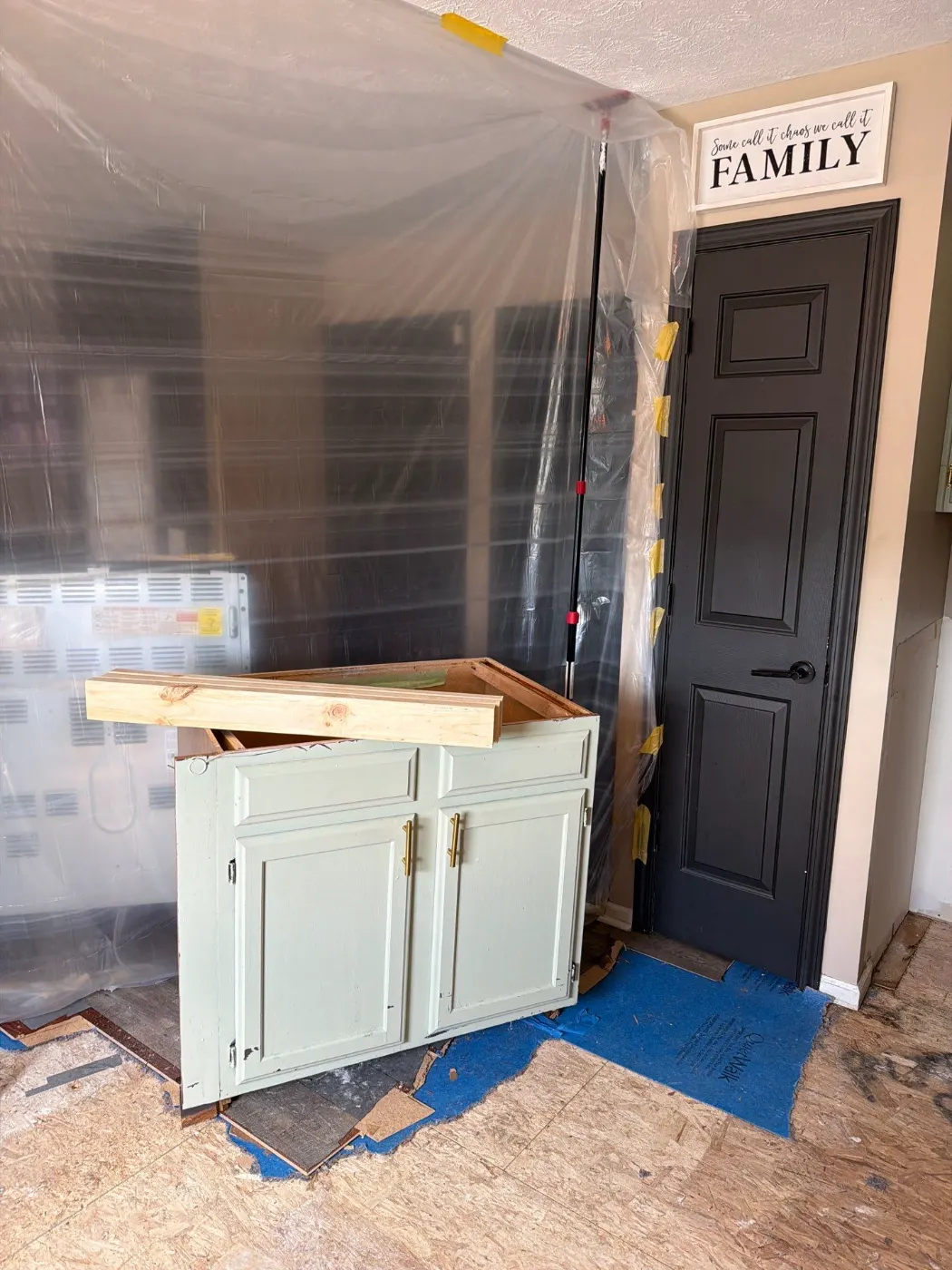
Photographs from real storm damage jobs completed by our crew in Eaton and surrounding areas.
Storm Damage FAQ
Questions Eaton homeowners ask us about storm damage restoration.
Guidance and Standards for Storm Damage
- The National Weather Service office in Indianapolis posts summaries of recent central Indiana storm and flood events. NWS Indianapolis Event Summaries
- The Indiana Department of Insurance advises against permanent repairs before your insurance company inspects the damage. Check your own policy for what it covers. Indiana Department of Insurance: Insurance Claim Tips
Eaton Neighborhoods We Serve
We take storm damage calls in every part of Eaton. Pick your neighborhood for local details.
Other Restoration Services in Eaton
Eaton Water Restoration handles the full scope of restoration work. Explore our other services below.
Water Damage Restoration in Eaton
24/7 emergency response. IICRC certified water restoration from extraction to full dry out.
Learn more →Basement Flooding in Eaton
Basement water emergencies handled fast. Extraction, drying, mold prevention.
Learn more →Sewage Cleanup in Eaton
Category 3 biohazard cleanup. Full containment, decontamination, structural restoration.
Learn more →Request Storm Damage Restoration
Reach Us Directly
Our team is available 24/7 for emergencies and ready to schedule inspections during business hours.
Need Immediate Help?
For active water or mold emergencies, call us directly. We are available 24/7.